SpaceX is a private U.S. aerospace, launch services, satellite communications and spacecraft company. It does not publish audited quarterly financial statements, so there are no official Q1 2026 revenue, margin or cash-flow figures. The most concrete recent operating indicators are from Starlink, which was reported at more than 10 million active users by February 2026 and more than 12 million active customers across 160-plus countries and territories by early June 2026. The Starlink constellation reached roughly 10,000 active satellites in March 2026.
SpaceX makes money through a mix of launch contracts, government spaceflight contracts, satellite broadband subscriptions, user hardware sales and defense-oriented communications services. The company also relies on private financing, customer contracts and operating cash flow rather than public equity markets.
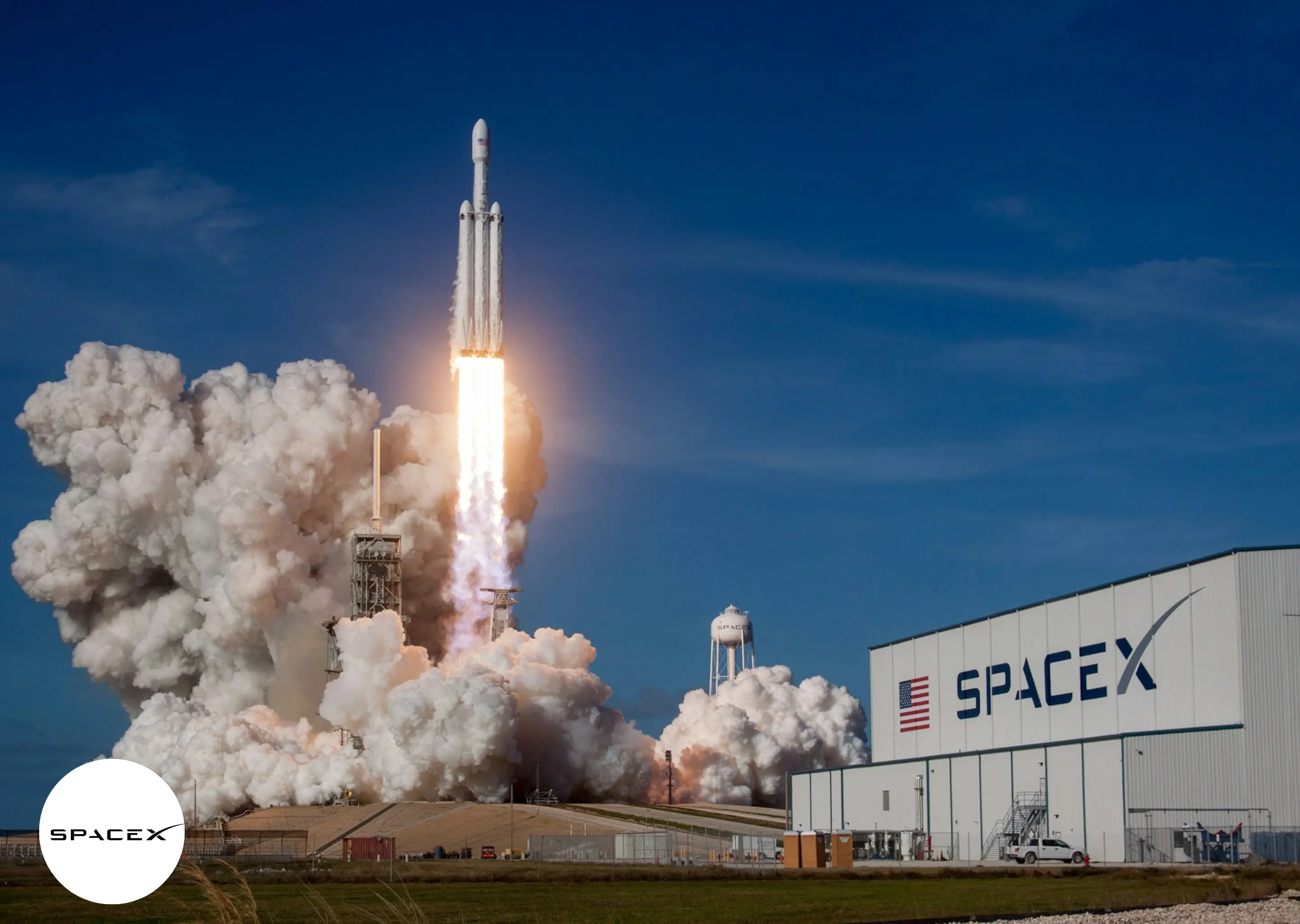
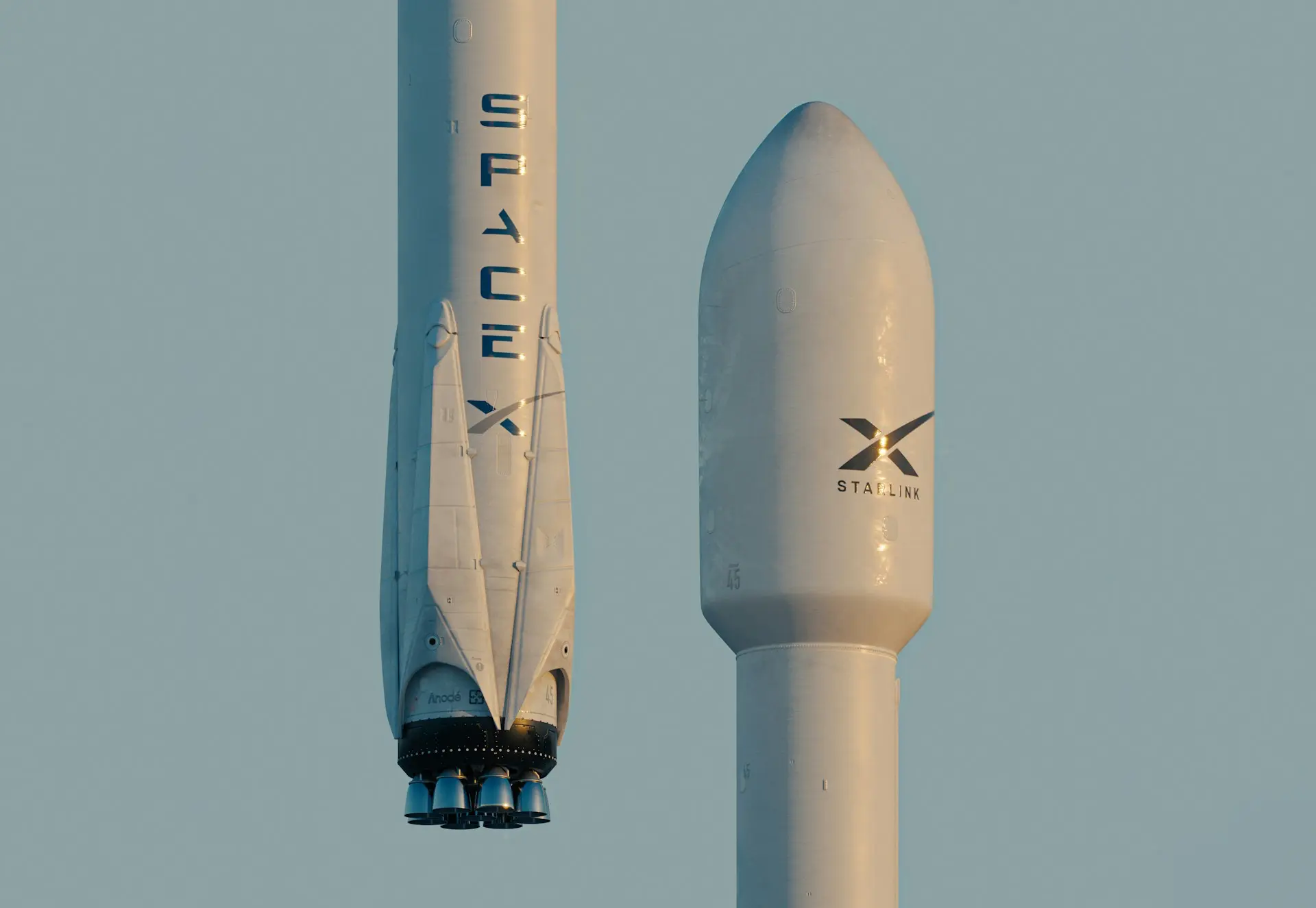
- Launch services: SpaceX sells orbital launch capacity to commercial satellite operators, NASA, U.S. national-security customers and other payload owners. Falcon 9 is the main workhorse, while Falcon Heavy serves larger payloads. Reusable boosters support high flight cadence and lower marginal launch cost.
- Human spaceflight and cargo: Dragon spacecraft support NASA Commercial Crew missions and cargo resupply to the International Space Station. NASA remains a key institutional customer and gives SpaceX a steady role in U.S. human-spaceflight infrastructure.
- Starlink broadband: Starlink is a recurring subscription and hardware business serving residential, roaming, maritime, aviation, enterprise and government customers. Its scale now makes it the largest low-earth-orbit broadband network by active satellites and reported customer count.
- Starshield and government connectivity: Starshield adapts Starlink-derived satellite communications for defense and national-security customers. This segment benefits from demand for resilient communications, though it also increases geopolitical and regulatory exposure.
- Starship development: Starship and Super Heavy are not yet a mature commercial platform, but they are central to SpaceX’s future cost and capacity ambitions. If operationally successful, Starship would support larger Starlink V3 satellites, heavier payload markets and lower cost per kilogram to orbit.
SpaceX’s main competitive advantages are vertical integration, reuse, launch cadence and the link between Falcon launches and Starlink deployment. The company designs and manufactures rockets, engines, spacecraft, satellites, terminals and ground systems internally. This reduces dependence on third-party launch providers and gives SpaceX tighter control over cost, schedule and technical iteration.
The business also benefits from a scale loop. Falcon 9’s cost structure supports frequent Starlink launches, Starlink fills internal launch demand, and higher launch cadence improves operational learning. That combination is difficult for launch-only competitors to match.
SpaceX is the dominant Western commercial launch provider by cadence and is widely viewed as the cost and reuse leader in medium and heavy orbital launch. Direct launch competitors include Rocket Lab, United Launch Alliance, Arianespace, Blue Origin and national launch programs. In satellite broadband, the main competitors include Amazon Leo, formerly Project Kuiper, Eutelsat OneWeb, Viasat and SES/O3b.
Amazon Leo is the most relevant comparison for Starlink because it targets consumer, enterprise and government low-earth-orbit broadband. Amazon has financial scale, cloud relationships and distribution capabilities, but its constellation and commercial rollout remain earlier than Starlink’s. Starlink’s reported 12 million-plus active customers and roughly 10,000 active satellites give SpaceX a clear first-mover advantage in LEO broadband.
China is not a meaningful revenue market for SpaceX or Starlink today. Starlink is not available for normal consumer service in mainland China. China matters more as a strategic competitor and geopolitical risk, with state-backed launch providers and LEO constellation projects such as Qianfan, also known as Thousand Sails, developing domestic alternatives.
SpaceX’s market position is strongest where launch economics, constellation scale, regulatory licenses and ground-distribution partnerships reinforce each other. Its private status limits financial transparency for investors, but operationally the company occupies a leading position in global launch and LEO broadband.


.webp)


