Rocket Lab is an end-to-end space infrastructure company that makes money from launch services, hypersonic test missions, spacecraft manufacturing, payload integration, satellite components, and related space-systems products. Its model combines mission-specific services with hardware sales, giving it exposure to both launch cadence and broader satellite demand.
In Q1 2026, Rocket Lab generated revenue of $200.3 million, up 63.5% year over year. Product revenue was $127.5 million, or about 64% of total revenue, while service revenue was $72.9 million, or about 36%. This mix shows that Rocket Lab is broader than a small-launch provider. Space systems and components are a major part of the revenue base.
The company’s operating model is built around vertical integration. Rocket Lab develops and supplies launch vehicles, spacecraft, satellite subsystems, payloads, and mission services. This gives it more control over cost, schedule, and technical execution, while increasing the amount of revenue it captures from each customer mission.
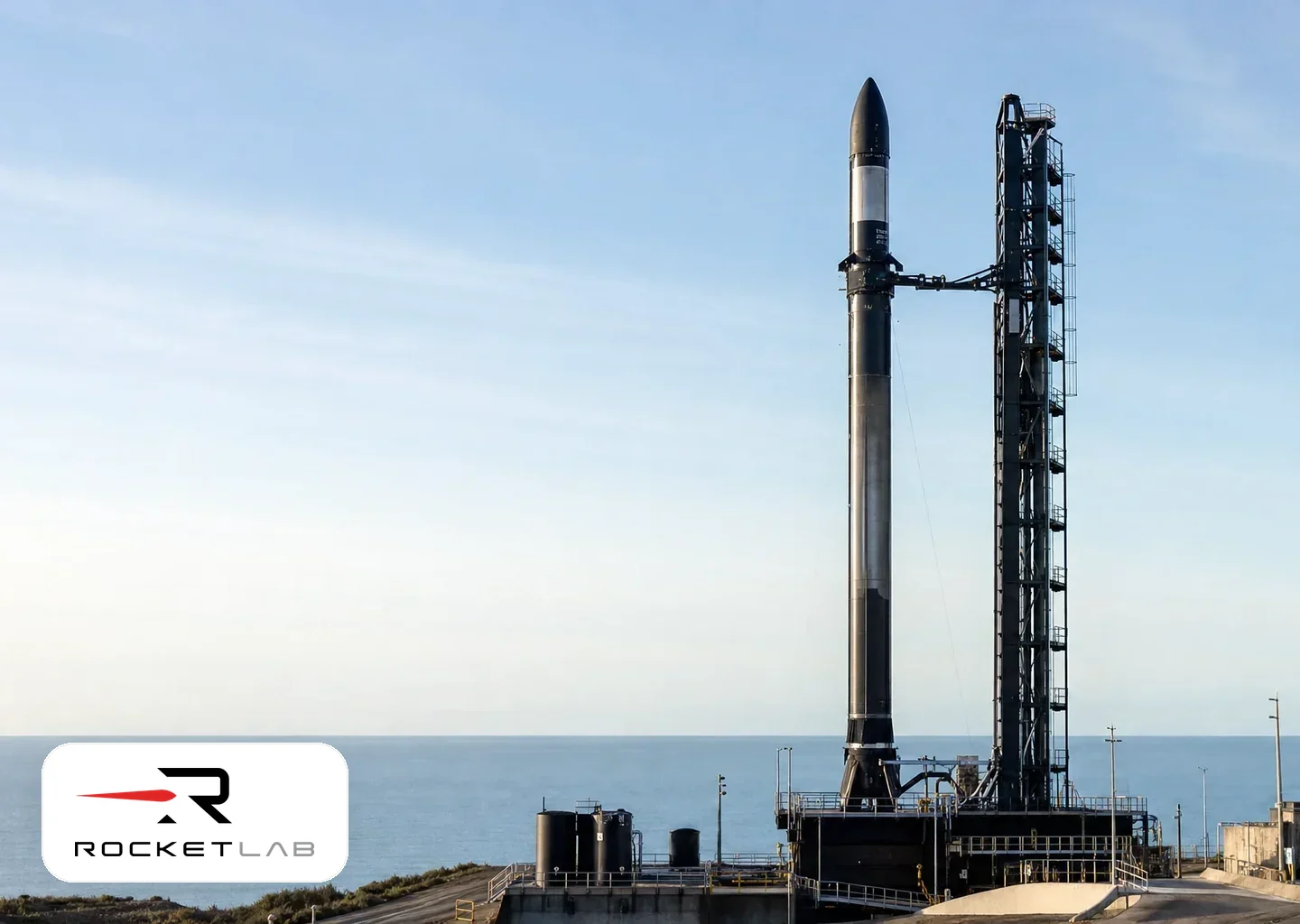
- Launch services: Electron is Rocket Lab’s dedicated small orbital launch vehicle and is described by the company as the world’s most frequently launched orbital small rocket. It serves customers that need specific orbits, responsive launch windows, and dedicated capacity rather than rideshare slots.
- Hypersonic testing: HASTE is a suborbital launch vehicle used for hypersonic test missions, mainly for U.S. and allied defense customers. This ties Rocket Lab to rising national-security demand for advanced missile, tracking, and test infrastructure.
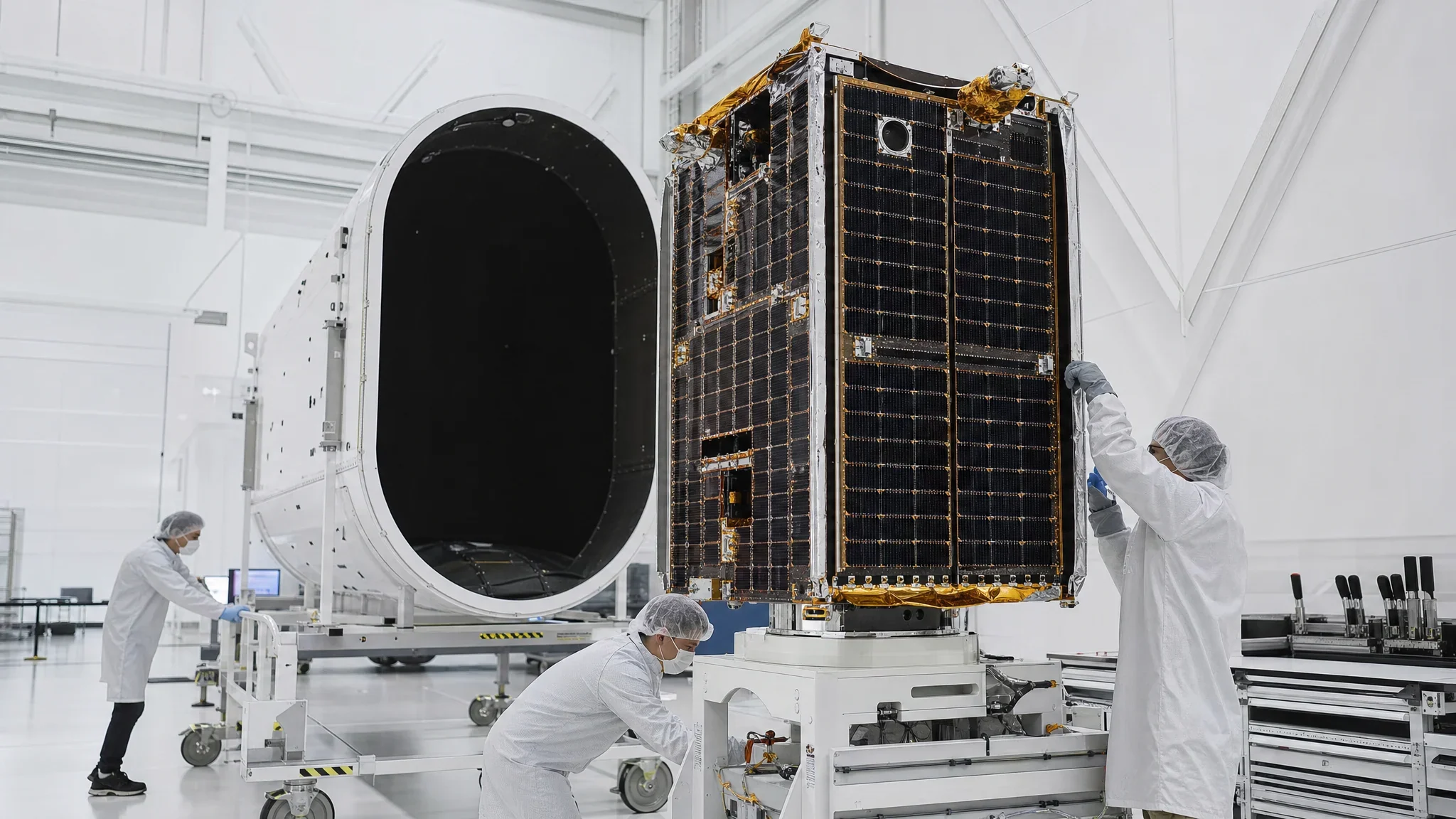
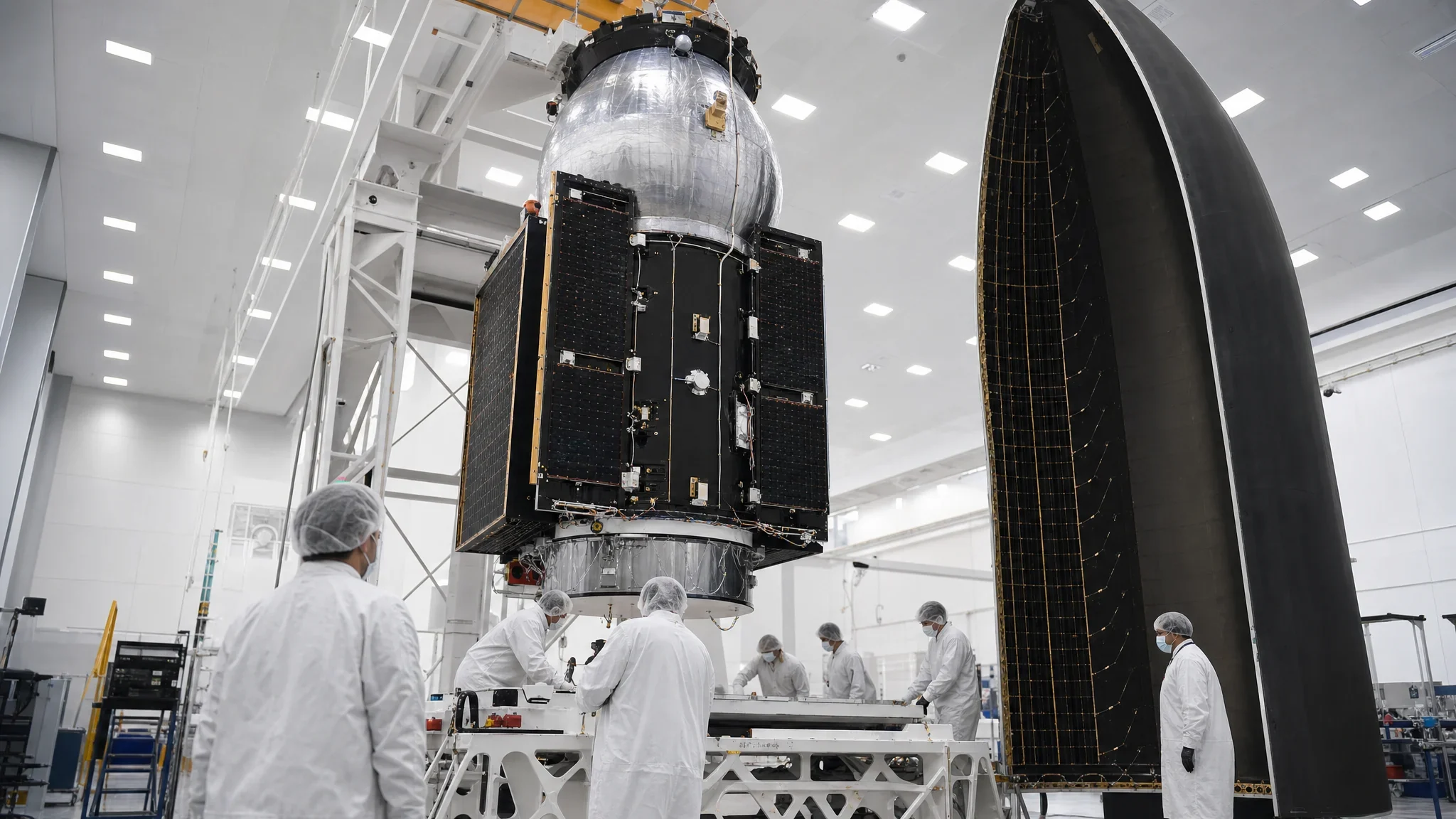
- Space systems: Rocket Lab manufactures spacecraft, payloads, satellite components, and mission hardware. The company says its spacecraft and satellite components have enabled more than 1,700 missions across commercial, defense, national-security, GPS, constellation, Moon, Mars, and Venus missions.
- Neutron development: Neutron is Rocket Lab’s in-development medium-lift rocket. If executed successfully, it would move Rocket Lab beyond dedicated small launch into larger payloads, constellation deployment, defense missions, and exploration-related work.
Rocket Lab’s market position is strongest in dedicated small launch and increasingly in vertically integrated space systems. In Q1 2026, the company signed 31 new Electron and HASTE contracts plus five dedicated Neutron launches. Management said it sold more launches in Q1 2026 than in all of 2025, and its total launch manifest exceeded 70 contracted missions. Backlog reached $2.2 billion at the end of Q1 2026, up 20.2% from the prior quarter, supporting visibility across launch and space systems.
The company is one of the few publicly traded pure-play space infrastructure businesses with both launch and spacecraft manufacturing capabilities. Its customer base is weighted toward U.S. government, defense, national-security, and commercial space customers rather than consumer markets. China is not presented as a meaningful disclosed revenue market, and Rocket Lab’s investor profile is more tied to U.S. and allied space infrastructure demand, defense procurement, commercial satellite activity, and export-control-sensitive programs.
Rocket Lab’s main competitive advantages are launch heritage, vertical integration, a growing space-systems franchise, national-security customer access, and a public-market profile that gives investors direct exposure to space infrastructure. Its inclusion in the Nasdaq-100 Index in June 2026 increased its visibility among large-cap U.S. growth and technology investors.
Direct competitors include SpaceX in launch, satellite manufacturing, and vertically integrated space services, along with other small-launch and space-systems providers. SpaceX is the most important benchmark because it operates across a similar strategic stack, although it is private and substantially larger. Compared with SpaceX, Rocket Lab is smaller, more focused on dedicated small launch and space systems today, and more dependent on successful Neutron execution to expand into medium-lift markets.