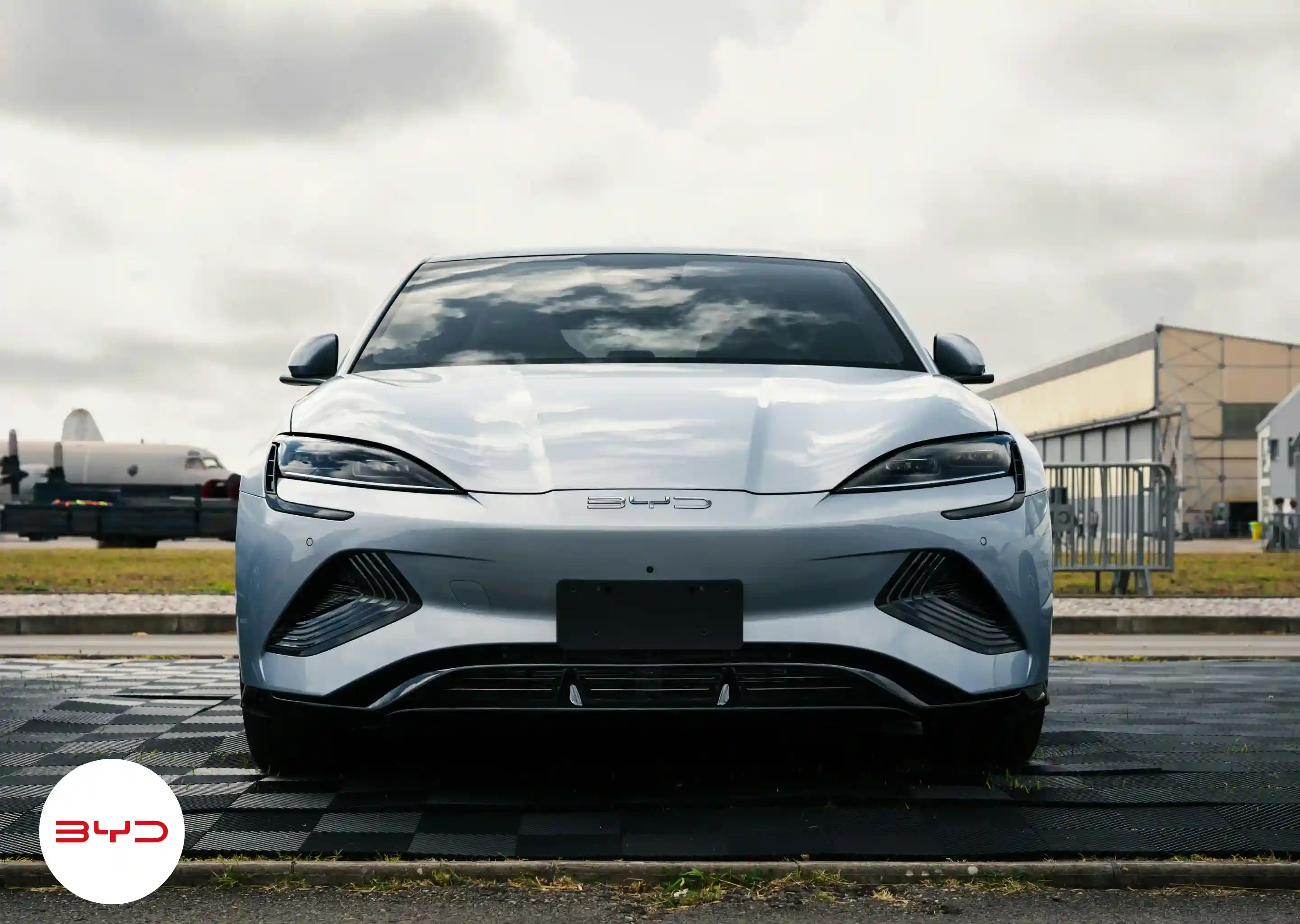
BYD makes most of its money from new energy vehicles and related products, including battery electric vehicles, plug-in hybrids, vehicle batteries and other auto-related products. The company also earns revenue from rechargeable batteries, energy-storage systems and electronics components and assembly, mainly through BYD Electronic.
The business model is built around scale manufacturing and vertical integration. BYD designs and produces key parts of its electric vehicle stack, including batteries, electric powertrains, power semiconductors and vehicle platforms. This supports cost control, faster model launches and tighter coordination between vehicle design and battery technology. It also concentrates risk in manufacturing utilization, inventory and capital allocation.
- Automobiles and related products: This is the core profit driver and includes BYD-branded mass-market vehicles, plug-in hybrids, pure EVs and higher-priced models under Denza, Fangchengbao and Yangwang.
- Batteries and energy storage: BYD supplies vehicle batteries and develops energy-storage systems. Its global energy-storage system shipments exceeded 60 GWh in 2025, ranking first among global ESS manufacturers according to industry data in the dossier.
- Mobile handset components and assembly: BYD Electronic provides components, modules and manufacturing services to electronics customers, giving the group a second large industrial revenue stream outside autos.
BYD’s market position is strongest in China, which remains its central operating market and largest geographic revenue source. The company is one of the world’s largest new energy vehicle manufacturers by sales volume and one of China’s leading domestic auto brands. It sold 4.60 million new energy vehicles in 2025, up 7.73%, meeting its lowered annual target.
The company’s broad product coverage is a major advantage. BYD competes in entry-level cars, mainstream sedans and SUVs, plug-in hybrids, pure EVs and premium segments. Its DM plug-in hybrid systems address consumers with charging concerns, while its Blade Battery platform and announced Blade Battery 2.0 and FLASH Charging strategy support its pure EV offering.
Competitive advantages include in-house battery technology, large production scale, dense dealer and service coverage in China, frequent model launches, plug-in hybrid strength and increasing overseas reach. BYD also benefits from platform reuse and procurement leverage when volumes remain high.
The main weakness in the current market position is margin pressure. Q1 2026 operating revenue fell 11.82% year over year to RMB 150.23 billion, while net profit attributable to shareholders fell 55.38% to RMB 4.09 billion. FY 2025 gross margin declined to 17.74% from 19.44% in FY 2024. These figures show that price competition and model mix are weighing on earnings despite BYD’s scale.
BYD competes directly with Tesla in pure electric vehicles. Compared with Tesla, BYD has broader exposure to plug-in hybrids and a wider China-focused price range, while Tesla remains more concentrated in pure EVs and has a stronger global premium EV brand. In China, BYD also competes with Geely, SAIC, Chery, Li Auto, Xpeng, Nio and Xiaomi across different price bands.
International expansion is becoming more important. Overseas NEV sales reportedly exceeded 1 million units in 2025, and May 2026 industry data showed 383,453 BYD NEV sales for the month, with overseas demand becoming a larger contributor. Even so, BYD’s investor profile remains heavily tied to China’s NEV volumes, pricing, policy conditions and consumer demand.