Xiaomi makes money from connected consumer hardware, internet services, and smart electric vehicles. Its core model is to sell high-volume devices, expand the installed base, and monetize users through advertising and other internet services while deepening customer retention across its “Human × Car × Home” ecosystem.
In Q1 2026, Xiaomi generated RMB99.1 billion of revenue. Smartphone × AIoT remained the main business at RMB79.3 billion, or 80.0% of group revenue. Smart EV, AI and other new initiatives contributed RMB19.9 billion, or 20.0%, showing how quickly EVs have become material to the group, although the segment still recorded an operating loss of RMB3.1 billion.
- Smartphones: Xiaomi’s largest product category generated RMB44.3 billion of Q1 2026 revenue, equal to 44.7% of group revenue. Shipments were 33.8 million units, while average selling price reached a record RMB1,310.1. The company is pushing into higher-priced devices, with premium smartphones accounting for 23.5% of its China smartphone units sold in the quarter.
- IoT and lifestyle products: This category includes tablets, wearables, smart TVs, large home appliances, lifestyle electronics, and other connected devices. It generated RMB24.7 billion of Q1 2026 revenue with a 25.2% gross margin. Xiaomi’s IoT platform reached 1.1187 billion connected devices excluding smartphones, tablets, and laptops at March 31, 2026, with 23.6 million users owning five or more connected AIoT devices.
- Internet services: This is the company’s highest-margin revenue stream. Q1 2026 internet services revenue was RMB9.5 billion, with a 76.1% gross margin. Advertising remained the core driver, with revenue of RMB7.1 billion. Xiaomi’s global monthly active users across smartphones and tablets reached 746.2 million in March 2026, including 195.8 million in the Chinese Mainland.
- Smart EVs and new initiatives: Smart EV revenue was RMB19.0 billion in Q1 2026, supported by 80,856 vehicle deliveries. The business is still in investment mode, with losses tied to scale-up costs, purchase-tax subsidies, and component inflation. Xiaomi’s EV operations are mainly China-centered, with 490 smart EV sales centers across 143 Mainland cities at quarter-end.
Xiaomi’s main competitive advantages are scale, brand reach, ecosystem breadth, and a large connected-user base. The company combines smartphones, home devices, wearables, tablets, internet services, and EVs under one operating system and retail ecosystem. This creates cross-selling opportunities and makes Xiaomi more comparable to Apple in ecosystem strategy, although Xiaomi’s hardware pricing and category breadth are closer to a mass-market electronics platform. In EVs, Xiaomi competes more directly with Chinese battery-electric peers such as BYD, Tesla China, Li Auto, NIO, and XPeng.
Xiaomi holds a strong global smartphone position. According to Omdia data cited by the company, it ranked No. 3 globally in Q1 2026 with 11.3% shipment share, its 23rd consecutive quarter in the global top three. It ranked No. 2 in Latin America and No. 3 in Europe, Southeast Asia, the Middle East, and Africa. Its smartphones ranked top three in 47 countries and regions, and top five in 65.
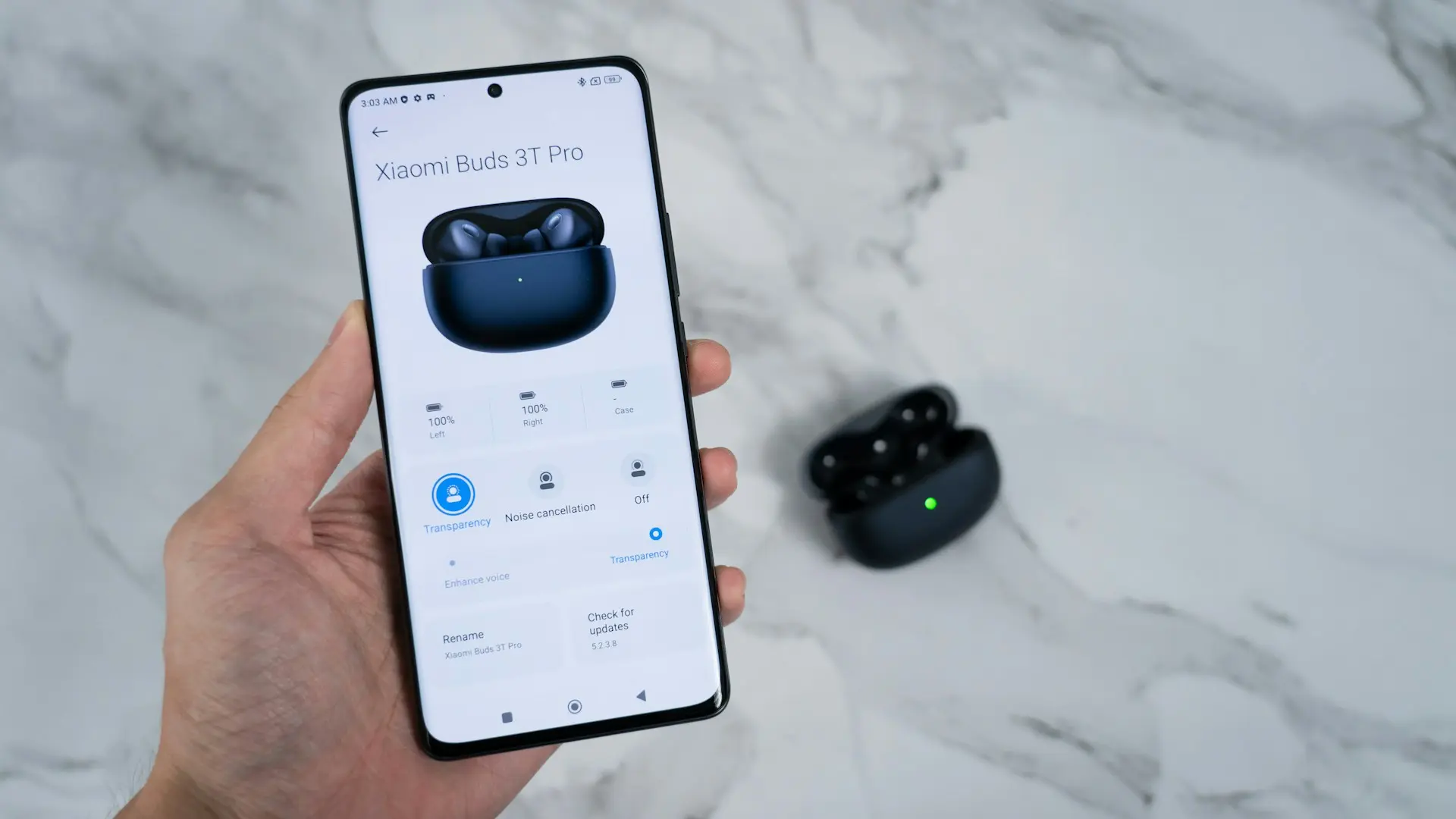
The company also has strong positions in selected IoT categories. In Q1 2026, Xiaomi ranked No. 2 globally in TWS earbuds and No. 3 globally in wearable bands, based on Omdia data cited by the company. Its tablets ranked among the global top five for the eighth consecutive quarter and among the top three in the Chinese Mainland.
China remains central to Xiaomi’s business model. The company has its headquarters in Beijing, more than 16,000 Xiaomi stores in the Chinese Mainland, and a large domestic internet user base. China also drives its EV rollout and influences IoT demand through consumer subsidy policies. At the same time, Xiaomi has meaningful international reach, with products sold in more than 100 countries and regions and overseas new retail stores across Southeast Asia, Europe, East Asia, Latin America, the Middle East, and Africa.
Overall, Xiaomi is positioned as a scaled consumer electronics and smart mobility platform rather than a single-category smartphone maker. Smartphones remain the revenue anchor, internet services provide high-margin monetization, IoT expands the ecosystem, and EVs have become the main new growth pillar. The investment case depends on whether Xiaomi sustains global device share, raises premium mix, grows high-margin services, and turns its EV segment profitable in a competitive Chinese market.